
Lower back pain
Pain, stiffness or reduced confidence around the lumbar spine, waist, pelvis or buttock.
Back pain care in Hull
A careful assessment of lower or upper back pain, movement, nerve function and daily demands—followed by a practical plan for recovery or referral when another pathway is more appropriate.
Understanding the problem
Back pain can be felt in the lower back, around the waist or pelvis, or higher between the shoulder blades. It may begin after a specific movement or injury, build gradually, or recur without one obvious cause. Pain can reflect a combination of joints, discs, muscles, nerves, health factors and the demands placed on the body.
The intensity of pain does not, by itself, tell us how much tissue damage is present. The purpose of assessment is to understand the pattern, identify anything requiring medical attention and decide what will help you return to sitting, walking, lifting, work, sleep or exercise with greater confidence.
Symptoms and function
Pain, stiffness or reduced confidence around the lumbar spine, waist, pelvis or buttock.
Pain or stiffness around the thoracic spine or between the shoulder blades, assessed alongside relevant neck, rib and general-health features.
Pain spreading away from the back, including symptoms that may be referred or related to nerve irritation.
Symptoms aggravated by sitting, standing, driving, lifting, bending, work, sleep or sport.
Symptoms that have not settled as expected, keep returning or have not improved with previous advice or treatment.
Loss of movement, strength, tolerance or confidence that is limiting everyday life.
Clinical differences
Pain is mainly local to the back and may vary with movement, position or load. This does not automatically mean that a disc, joint or muscle is damaged.
Some back structures can produce pain into the buttock or thigh without clear evidence that a nerve root is affected.
Nerve-root irritation can cause leg-dominant pain and may be accompanied by tingling, numbness, altered reflexes or weakness. Back pain alone is not sciatica.
If pain travels into the leg or you have tingling, numbness or weakness, our dedicated sciatica page explains the assessment and referral pathway in more detail.
Read about sciatica assessment and treatment in HullAssessment
How the problem started, how it behaves, relevant health conditions, medicines and features that may require GP, urgent or emergency assessment.
Relevant spinal movement, walking, sitting, lifting and the activities that reproduce or ease symptoms.
Trunk and lower-limb strength, functional capacity and confidence with the tasks you need to regain.
When leg symptoms are present, this may include sensation, muscle strength, reflexes and relevant nerve-provocation tests.
Hip, pelvis or other regions are examined when they may be contributing to the symptoms or producing a similar presentation.
Work, sleep, caring responsibilities, exercise and previous treatment are considered when agreeing the plan.
Evidence-informed care
Understanding the likely problem, expected recovery and what is safe to do can reduce uncertainty and guide sensible decisions.
Sitting, lifting, work or exercise may be adjusted temporarily without encouraging prolonged rest or unnecessary avoidance.
Movement, strength and general activity are rebuilt gradually around your symptoms, preferences and goals.
Mobilisation or soft-tissue treatment may be used when it helps movement or confidence, but only as part of a wider plan that includes exercise.
The programme progresses toward the real demands of your work, family life, driving, hobbies or sport.
Progress is monitored and the plan changes if recovery is slower than expected or new clinical information emerges.
Physiotherapy may form part of your treatment where movement, strength or activity tolerance needs to be rebuilt. Learn more about our physiotherapy in Hull. For practical guidance between appointments, read about managing back pain when sitting or driving and returning to gym training. If pain is centred around the back of the pelvis, our sacroiliac joint pain guide explains why assessment matters.
Investigation and onward care
NICE advises against routine imaging for low back pain with or without sciatica in a non-specialist setting. An X-ray or MRI is most useful when the result is likely to change management, rather than simply to look for age-related changes.
After assessment, we may recommend GP review, appropriate investigation or onward referral when symptoms or examination findings suggest another condition, when neurological function is changing, or when persistent symptoms require a specialist opinion.
Considered when general-health symptoms, significant trauma, inflammatory features or another non-musculoskeletal cause may be relevant.
Considered when serious pathology is suspected or when a scan is likely to alter treatment or a specialist decision.
Considered for significant or worsening nerve findings, severe persistent symptoms, diagnostic uncertainty or when non-surgical care has not achieved sufficient improvement.
Your local clinic
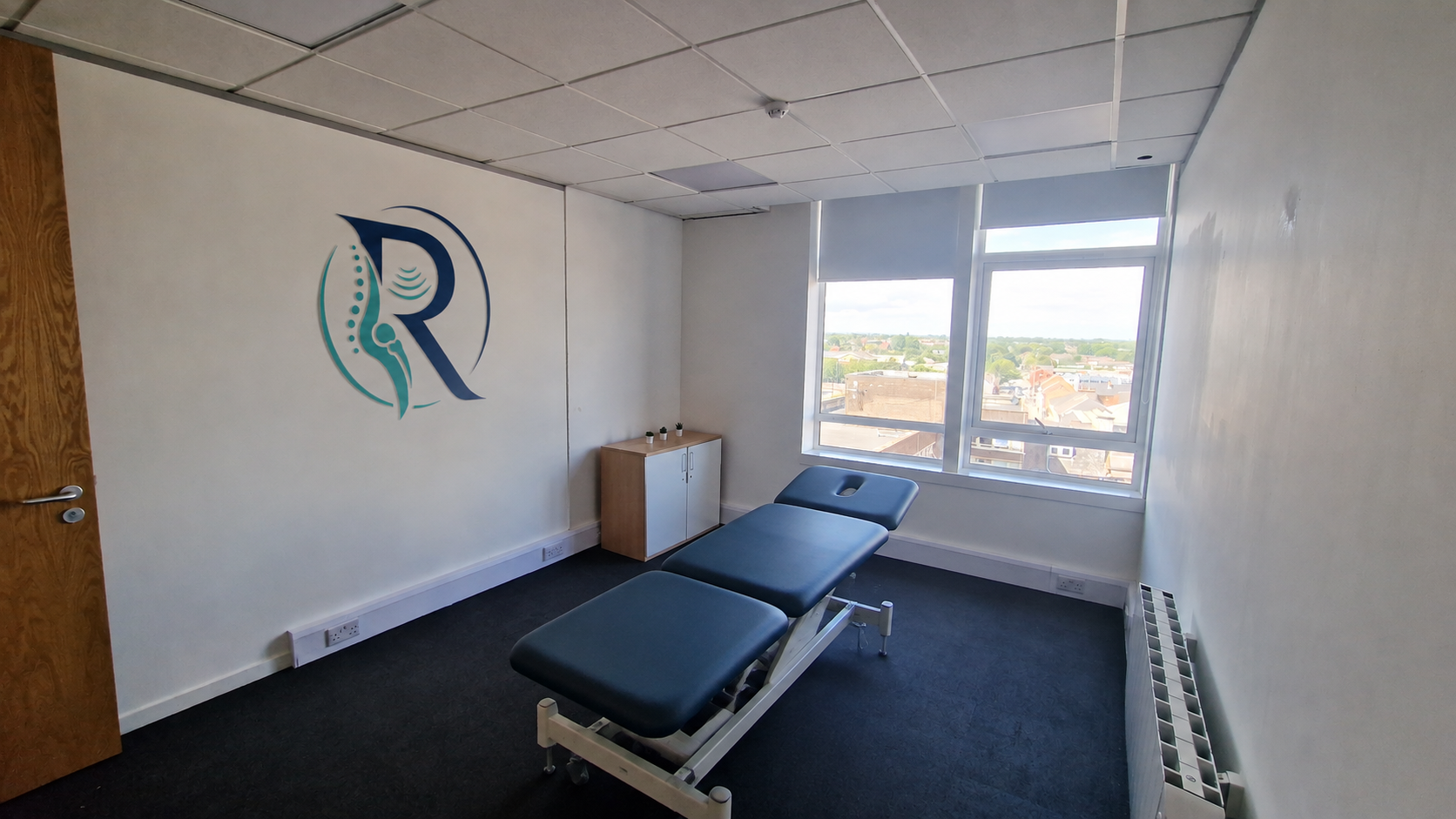
Appointments take place one-to-one at Resolve MSK Clinic, 44 Bond Street in Hull city centre. You will have time to explain the problem, complete an appropriate physical examination and discuss the findings before treatment decisions are made.

Clinical lead
Kenneth has more than seven years' clinical experience and also works in NHS primary care across Hull and East Yorkshire. Assessment, rehabilitation and prescribing decisions remain within clinical scope and are based on individual need.
Clinical guidance
Common questions
Usually not. NICE advises that imaging should not be routinely offered in a non-specialist setting. It is considered when serious pathology is suspected or when the result is likely to change management.
Prolonged bed rest is generally unhelpful. Activity may need to be adapted, but movement and normal activities are usually rebuilt as early as reasonably possible.
Yes. The assessment can include strength, sensation, reflexes and nerve-related tests, while also considering hip and referred causes. Urgent warning signs require emergency or urgent NHS care rather than a routine clinic appointment.
It may, when clinically appropriate. NICE advises that manual therapy should form part of a treatment package that includes exercise rather than being used as a stand-alone solution.
Resolve MSK Clinic · 44 Bond Street, Hull